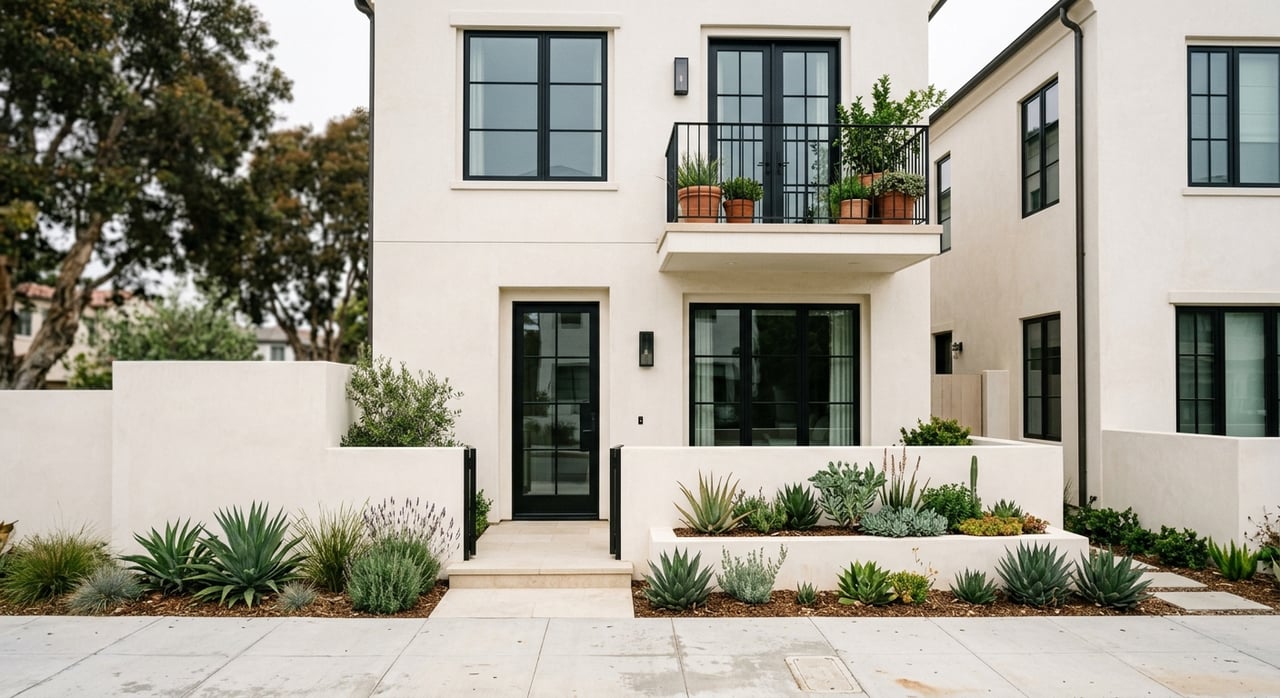
If you are choosing between a condo and a townhome in Santa Monica, the biggest surprise is this: the label may tell you less than you think. In a high-cost coastal market where inventory, layout, and HOA details can vary block by block, it is easy to focus on style and miss what really affects your day-to-day life. The good news is that once you know what to compare, the decision becomes much clearer. Let’s dive in.
Why the condo vs. townhome label can mislead
In California, condo is a legal ownership form, while townhome is usually an architectural description. That means a home that looks like a townhome may legally be a condominium, a planned development, or something else entirely.
For you as a buyer, that matters because ownership rights, maintenance duties, and shared-area rules come from the recorded documents, not the marketing headline. The California Department of Real Estate notes that the legal subdivision type may not be obvious just by looking at the property.
What you may actually own
With many condos in California, you own your interior space plus an undivided interest in the common area. In some communities, patios, balconies, porches, driveways, or similar spaces may be classified as exclusive-use common area.
That means a private-feeling patio or rooftop deck is not automatically part of the unit in the way many buyers assume. You need to confirm whether that space is part of the unit, exclusive-use common area, or general common area because that can affect maintenance, privacy, and resale expectations.
Santa Monica market context
Santa Monica is compact, about 8.3 square miles, but it includes several distinct areas such as Downtown, Main Street, Mid-City, Montana Avenue, Ocean Park, Sunset Park, Wilshire Boulevard, and Pico. Because of that, attached-home choices often feel very local and very block-specific.
Current market data also shows a real supply difference between condos and townhomes. Redfin’s active inventory shows 135 condos for sale in Santa Monica at a median listing price of $1.2 million, compared with 16 townhouses for sale at a median listing price of $1.5 million.
That gap tells you two important things. First, condos usually give you more options to compare. Second, townhomes are scarcer in Santa Monica’s attached-home market and are currently priced higher at the median.
How layout changes daily living
One reason buyers gravitate toward townhomes is the layout. Townhome-style homes often feel more like a house because they are commonly arranged over two or more stories, and residences are usually not stacked above or below each other.
That said, you should avoid assuming too much from the label alone. A condo can also be designed in a townhouse style, and even a detached home can be legally structured as a condo in California.
When a townhome-style layout may suit you
A townhome-style property may be a better fit if you want:
- Separate living and sleeping areas on different levels
- Fewer concerns about neighbors above or below you
- A more house-like flow
- Features such as attached garages or rooftop decks, depending on the project
When a condo may suit you better
A condo may be a stronger fit if you want:
- More inventory to choose from in Santa Monica
- Simpler single-level living
- Access to shared amenities, depending on the building
- A lower median entry point than current townhome inventory
Outdoor space is project-specific
Many buyers assume townhomes always have better private outdoor space. In Santa Monica, that is not always true.
California common-interest developments can assign patios, balconies, porches, and driveways as exclusive-use common area. In practical terms, that means a condo may still offer a patio, balcony, or other outdoor area that feels private, while a townhome-style property may have rules or maintenance limits tied to the HOA documents.
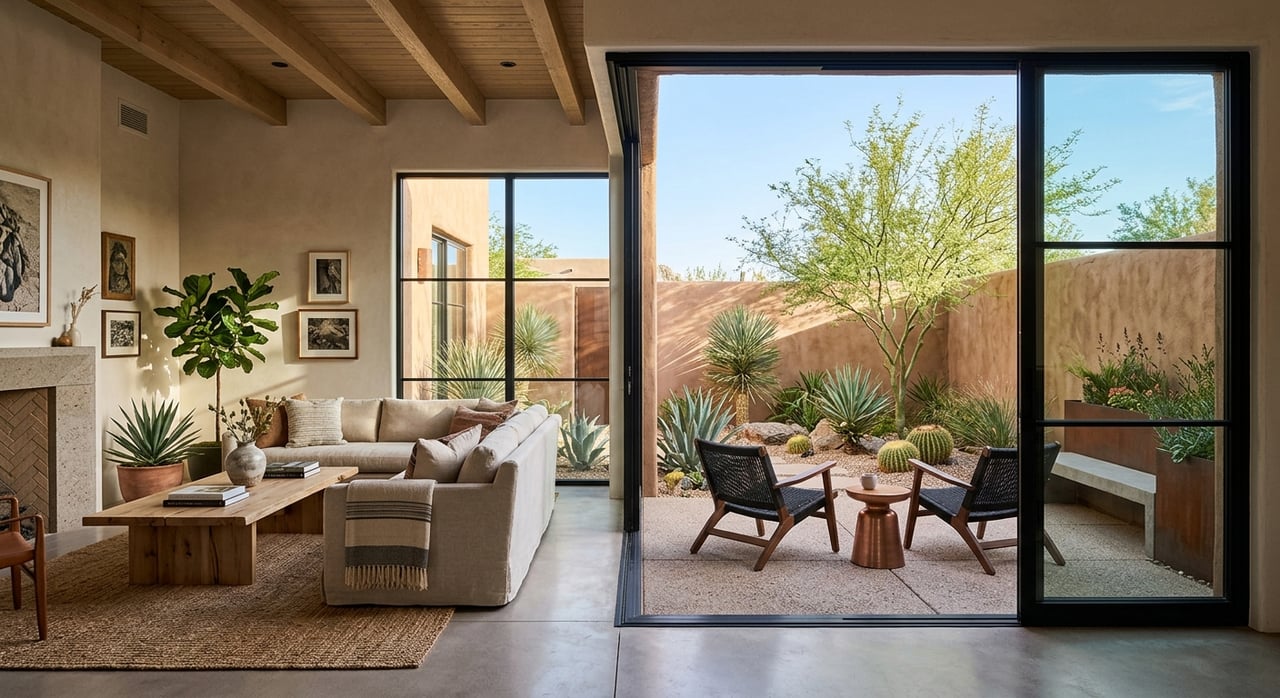
The current Santa Monica inventory reflects that mix. Townhouse listings may feature rooftop decks, patios, and attached garages, but condo listings can also include private patios and deeded parking. The smartest move is to compare the actual floor plan and ownership details instead of relying on the category name.
HOA dues and maintenance matter more than style
For many buyers, the biggest long-term difference is not whether the home is called a condo or a townhome. It is how the HOA is structured and who is responsible for what.
In California common-interest developments, maintenance responsibility can vary significantly by project. Some communities place more exterior and common-area responsibility on the association, while others shift more responsibility to the owner or split duties in more complicated ways.
Key items to clarify before you make an offer
Ask who maintains the:
- Roof
- Siding
- Windows
- Balconies
- Patios
- Driveway
- Private streets
- Shared systems
These details directly affect your future costs and your day-to-day ownership experience. A beautiful unit can feel very different once you understand what the monthly dues cover and what they do not.
Why HOA financial health deserves close attention
The California Department of Real Estate warns that underfunded HOAs can lead to deferred maintenance, financing problems, reduced property value, and special assessments that can run into the tens of thousands of dollars. That is why HOA review is not just a box to check. It is a core part of evaluating risk.
California law requires associations to distribute an annual budget report with reserve disclosures, and qualifying associations must conduct a reserve-study visual inspection of major components at least once every three years. For you, those documents can offer a clearer picture of whether the monthly dues seem sustainable and whether future costs may be building in the background.
Rules can shape your long-term flexibility
Your future plans may depend more on the project documents than the property type. Rental caps, minimum lease terms, pet rules, parking rules, remodel approvals, and architectural standards are all typically found in the governing documents that sellers are required to provide in California.
This matters whether you are buying your first Santa Monica home, planning for a future relocation, or thinking about long-term flexibility. Two homes with similar square footage and price points can offer very different ownership experiences once you read the rules.
Financing may depend on the project
Financing for an attached home can also be project-sensitive. HUD notes that FHA condominium project approval depends on factors such as insurance coverage, financial condition, title, pending legal action, and physical condition.
In plain terms, a unit can look perfect on paper and still raise financing issues because of the building or community. If you may use FHA financing, it is wise to check project eligibility early rather than late in the process.
How Santa Monica neighborhood context affects your choice
Because Santa Monica is small but varied, your condo-versus-townhome decision often ties directly to neighborhood feel.
Downtown Santa Monica
Downtown is the city’s most urban core. The Downtown Community Plan describes it as a mixed-use neighborhood with housing, employment, entertainment, and a walkable urban lifestyle.
If you want a more urban setting with a stronger mixed-use feel, this area may naturally lead you toward condo options and newer residential buildings. Your tradeoff may be density and a more city-centered pace.
Ocean Park
City housing materials describe Ocean Park as a low- to mid-rise multifamily area with interspersed single-family homes, with Main Street as its main commercial corridor. For many buyers, this creates a beach-adjacent neighborhood feel without a high-rise environment.
If you want attached-home living that still feels neighborhood-oriented, Ocean Park may be worth a closer look. Inventory can vary, so block-by-block review is especially important here.
Wilshire-Montana
The City describes Wilshire-Montana as Santa Monica’s largest multifamily neighborhood and notes its convenience to both Santa Monica Beach and Downtown. That makes it a logical area for buyers comparing attached-home options with a walkable residential feel.
If your goal is to balance access, neighborhood character, and multifamily inventory, this area may offer useful options to compare.
Sunset Park
Sunset Park has a more mixed profile. City planning materials describe Sunset Park South as mostly single-family with some multifamily housing, while Sunset Park North includes low-density multifamily and single-family housing.
For you, that may translate to a more residential and less vertical setting than Downtown. Depending on the block, that can change what kind of condo or townhome-style inventory is available.
Mid-City and Pico
City housing documents describe the east side, including Mid-City and Pico, as a mix of low- to medium-rise multifamily housing and commercial services. Attached-home buyers may find more value-oriented inventory here, along with meaningful block-to-block variation.
If you are prioritizing options and price sensitivity within Santa Monica, these areas may deserve a close look.
Questions to ask before you decide
When you tour condos and townhome-style homes in Santa Monica, these questions can help you compare them clearly:
- What is the legal structure on title?
- What exactly comes with the unit?
- Are patios, decks, garages, and storage deeded, exclusive-use, or common area?
- Who maintains the major exterior components?
- What do the monthly dues cover?
- When was the last reserve study updated?
- Are there rental, pet, parking, or remodel restrictions?
- If financing matters, is the project lender-friendly?
These answers often reveal more than staging, finishes, or square footage ever will.
The bottom line for Santa Monica buyers
In Santa Monica, the condo-versus-townhome choice is usually less about the name and more about the specific project. Legal structure, HOA health, maintenance allocation, outdoor-space rights, parking, financing, and neighborhood location all shape the real ownership experience.
If you want more inventory and a lower current median price point, condos may give you more room to compare. If you want a more house-like layout and can compete for scarcer inventory, a townhome-style property may feel like the right fit. The key is to slow down, read the documents carefully, and judge each home on what you are truly buying.
If you want thoughtful guidance as you compare Santa Monica condos and townhome-style homes, Patrice Meepos can help you look beyond the label and make a decision with confidence.
FAQs
What is the difference between a condo and a townhome in Santa Monica?
- In Santa Monica and throughout California, a condo is usually a legal ownership form, while a townhome is usually an architectural style, so the recorded documents matter more than the label.
Are townhomes in Santa Monica more expensive than condos?
- Based on current Redfin inventory cited in the research, Santa Monica townhouses have a higher median listing price than condos and are much less common on the market.
Can a Santa Monica condo have private outdoor space?
- Yes. A condo may include a patio, balcony, or similar area, but you should confirm whether that space is part of the unit or classified as exclusive-use common area.
Do Santa Monica condos and townhomes have different HOA rules?
- They can, but the differences are usually project-specific rather than label-specific, so you should review governing documents for maintenance duties, dues, rental rules, pet rules, and other restrictions.
What HOA documents should a Santa Monica buyer review?
- You should review the governing documents, annual budget disclosures, and reserve information because they can help you understand monthly dues, maintenance obligations, and the risk of future special assessments.
Does financing work differently for Santa Monica condos?
- It can, especially if you are considering FHA financing, because project-level factors such as insurance, financial condition, and physical condition may affect eligibility.