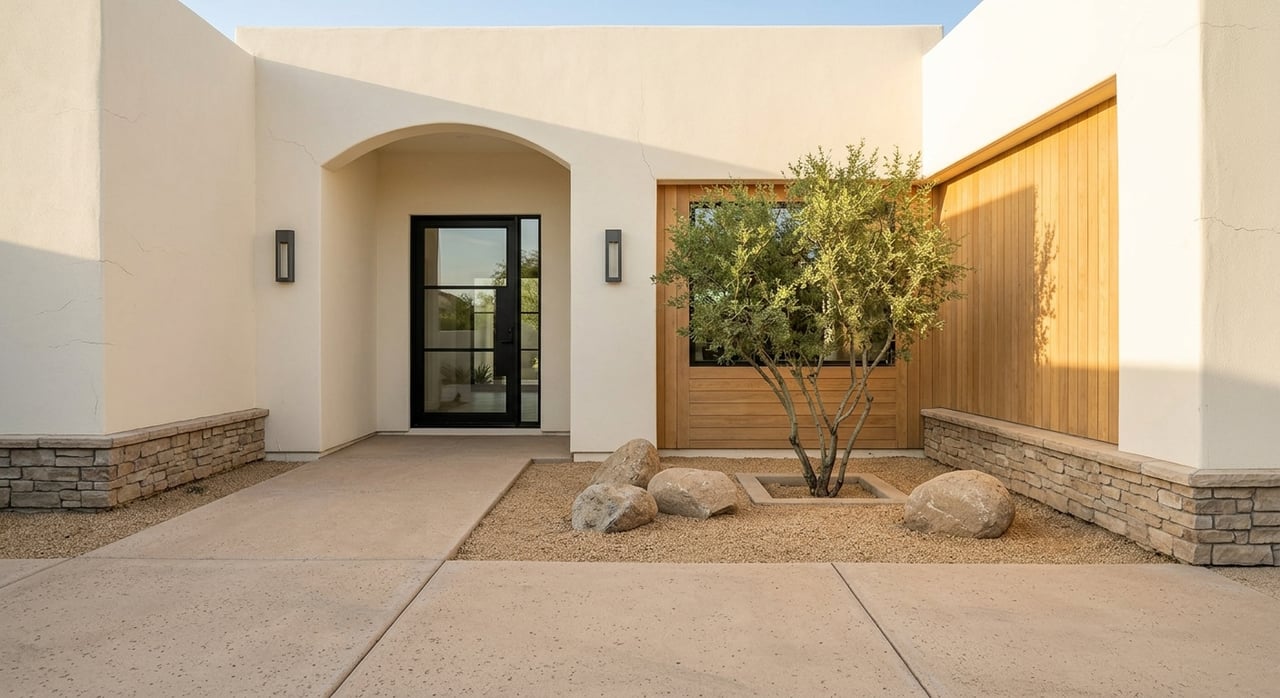
Selling a home you have owned for many years can feel like a major life event, not just a transaction. If you are preparing to sell in Palm Desert, you may be balancing practical decisions, paperwork, timing, and the emotions that come with letting go of a familiar place. The good news is that a steady plan can make the process far more manageable, and in a market where pricing and presentation matter, thoughtful preparation can help you move forward with confidence. Let’s dive in.
Why Palm Desert sellers need a plan
Palm Desert is a community with many longtime homeowners, which helps explain why a calm, organized selling approach matters here. According to the U.S. Census QuickFacts for Palm Desert, 37.7% of residents are age 65 or older, 65.0% of housing units are owner-occupied, and the median value of owner-occupied homes is $542,000.
That local profile matters if you are downsizing, planning a later-in-life move, or helping a parent or family member prepare a sale. In many cases, the biggest challenge is not deciding whether to sell. It is figuring out how to do it without feeling rushed, overwhelmed, or buried in decisions.
Today’s Palm Desert market also rewards preparation. Recent data from Redfin’s Palm Desert housing market page shows a median sale price of $599,000 in March 2026, about 80 days on market, and about one offer on average, while Realtor.com characterized Palm Desert as a balanced market in February 2026. The exact numbers vary by source, but the pattern is consistent: homes can sell, yet buyers still pay attention to condition, value, and presentation.
Start with condition, not a remodel
If you have lived in your home for a long time, your first step should not be planning a major renovation. A better place to begin is with a practical review of the home’s current condition.
The Freddie Mac home maintenance checklist highlights areas that often matter before listing, including cooling systems, filters, roof condition, exterior paint, caulk, weather stripping, plumbing leaks, smoke alarms, GFCI outlets, dryer vents, and visible cracks in foundations or driveways. In Palm Desert, cooling systems and exterior upkeep can carry extra weight because buyers notice them quickly during showings and inspections.
This kind of review helps you separate true issues from cosmetic worries. A worn filter, a leaking faucet, or deferred exterior maintenance can raise questions for buyers. By contrast, not every older finish needs to be replaced just because it is not brand new.
Focus on visible red flags
A practical selling plan usually starts with repairs that improve buyer confidence. That often means handling items such as:
- HVAC servicing or filter replacement
- Plumbing leaks
- Safety items like smoke alarms or GFCI outlets
- Pest concerns
- Exterior touch-ups and basic curb appeal work
- Roof or drainage issues that may come up in inspections
According to AARP’s home sale checklist, it is often smarter to address major issues early and make selective updates rather than take on a broad remodel. For many longtime Palm Desert homeowners, that middle path is the most realistic and least stressful.
Declutter early to reduce stress
One of the hardest parts of selling a longtime home is not the listing date. It is deciding what to keep, what to donate, and what to move.
That is why starting early matters. AARP recommends a longer runway, beginning with storage strategy and room-by-room decluttering well before the home goes on the market. This can be especially helpful if you are downsizing, coordinating with family, or managing a trustee-led sale with many moving pieces.
Trying to sort decades of belongings in the final few weeks can make the process feel heavier than it needs to be. Breaking the work into smaller decisions gives you more control and helps the home feel calmer, cleaner, and easier to prepare for buyers.
A simple decluttering approach
If you are not sure where to begin, use a room-by-room method:
- Start with storage areas, guest rooms, or seldom-used spaces.
- Set aside items to keep, donate, gift, or discard.
- Create clear deadlines for family pickups.
- Use temporary storage only if it helps simplify the transition.
- Aim to remove excess furniture, personal items, and anything that makes rooms feel smaller.
This process is not about stripping away the home’s personality. It is about creating space so buyers can focus on the home itself.
Gather paperwork before you list
Paperwork can quietly become one of the biggest causes of delay, especially when a home has been owned for many years. If improvements were made over time, records may be scattered across file cabinets, drawers, or digital folders.
AARP recommends collecting key documents early, including deeds, surveys, manuals, warranties, receipts, and records related to past work. It is also wise to confirm whether any prior permits were finalized. These details can help reduce last-minute surprises once the home is on the market.
If you are helping a parent, relative, or trust with a sale, this step becomes even more important. Missing paperwork does not always stop a sale, but having records organized early can make disclosures, buyer questions, and escrow much smoother.
Helpful documents to collect
Try to gather:
- Deed or ownership records
- Survey, if available
- Appliance manuals and warranties
- Receipts for repairs or upgrades
- Pest or inspection reports
- Permit records and proof of final sign-off, if applicable
Even a partial file can be useful. The goal is to make it easier to answer questions with clarity.
Use staging to help buyers connect
A well-maintained home still benefits from thoughtful presentation. Buyers do not just evaluate square footage and features. They also react to how the home feels when they walk in.
The National Association of Realtors 2025 staging snapshot found that 83% of buyers’ agents said staging makes it easier for buyers to visualize the home as their future residence. NAR defines staging broadly to include cleaning, decluttering, repairing, depersonalizing, and updating the home so buyers can picture themselves there.
That matters for longtime homes, where years of personal style and belongings can make it harder for buyers to see the space clearly. Staging does not need to mean a full redesign. Sometimes the most effective changes are the simplest.
Rooms that often matter most
NAR reports that the most commonly staged rooms are:
- Living room
- Primary bedroom
- Dining room
If you want to prioritize your time and budget, start there. Clean lines, lighter decor, and open surfaces can go a long way toward making the home feel cared for and easy to imagine.
Time your sale with the market in mind
In Palm Desert, seasonality can influence both pricing and inventory. According to the March 2026 GPSR Desert Housing Report, detached-home prices in the Coachella Valley typically reach a seasonal low in autumn and a seasonal high in spring, while inventory tends to peak around the turn of the year and soften in late summer.
That does not mean there is only one good time to sell. It does mean planning ahead can give you more options. If you have flexibility, it may help to work backward from your preferred listing window so you can handle repairs, decluttering, and paperwork without pressure.
Freddie Mac also notes in its seller guidance that longer days on market can reflect pricing issues, weak staging, or market conditions. In other words, even in a desirable area, a strong result is rarely automatic. Timing helps, but preparation and pricing still shape the outcome.
A realistic selling timeline
For many longtime Palm Desert homeowners, the easiest path is a step-by-step timeline rather than a last-minute sprint. AARP’s longer seller countdown supports that approach, and it fits well for downsizers, adult children helping from a distance, and trustee sales that require coordination.
Here is a practical sequence to follow:
1. Review condition and safety
Start with the home’s basic systems and visible maintenance items. Focus first on repairs that could affect buyer confidence or come up in inspections.
2. Declutter and sort belongings
Work room by room and begin earlier than you think you need to. This stage often takes longer than expected, especially in a home with many years of memories and possessions.
3. Choose limited updates
Make selective improvements that help presentation without overcapitalizing. Small modernization steps and obvious fixes are often more useful than a major kitchen or bath overhaul.
4. Organize documents and disclosures
Gather ownership records, repair receipts, warranties, manuals, and permit information. Getting organized early can prevent unnecessary delays later.
5. Stage and launch thoughtfully
Once the home is clean, simplified, and well-presented, you are in a stronger position to bring it to market with confidence.
Confidence comes from clarity
Selling a longtime Palm Desert home is rarely just about the house itself. It is often tied to a new chapter, a family transition, or a decision that carries both financial and emotional weight.
That is why the best selling plan is usually not the fastest one. It is the clearest one. When you focus on condition, decluttering, documents, timing, and thoughtful presentation, you can reduce stress and make better decisions at every stage.
If you are preparing for a downsizing move, helping a family member, or navigating a trustee sale, working with a calm and strategic guide can make the process feel far more manageable. To start that conversation, connect with Patrice Meepos.
FAQs
What should you fix before selling a longtime home in Palm Desert?
- Focus first on maintenance and safety items such as cooling systems, leaks, smoke alarms, GFCI outlets, pest issues, and visible exterior upkeep before considering larger cosmetic projects.
Is it better to renovate or sell a longtime Palm Desert home as-is?
- For many sellers, the most practical approach is a middle path: address obvious red flags and modest updates rather than take on a major remodel unless a specific improvement is likely to meaningfully affect the result.
When is the best time to sell a home in Palm Desert?
- Local seasonal data suggests spring is often a stronger pricing period in the Coachella Valley, but the best timing for you also depends on how much time you need for preparation, paperwork, and move planning.
What documents do you need to sell a longtime Palm Desert home?
- It helps to collect deeds, surveys, appliance manuals, warranties, repair receipts, inspection reports, and any permit records or final sign-offs related to past improvements.
How can you make selling a longtime Palm Desert home less stressful?
- Break the process into smaller steps, start decluttering early, set deadlines for family decisions, organize paperwork in advance, and build a support team before the final listing period.