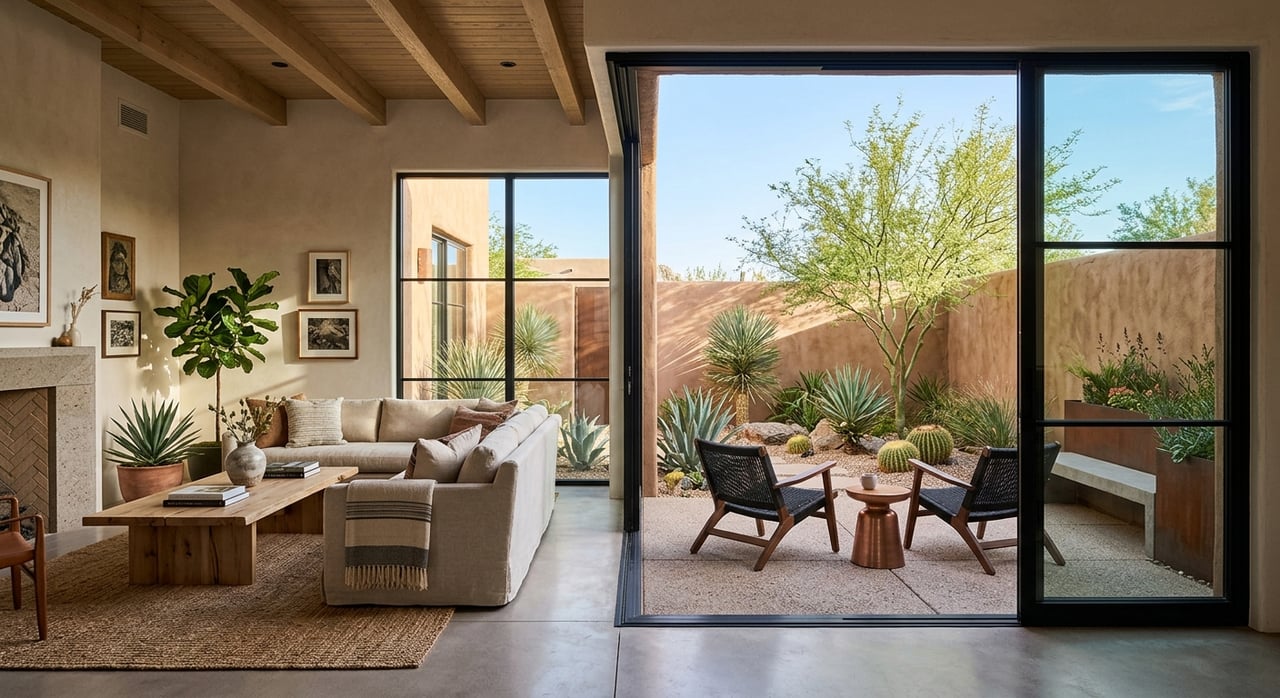
Thinking about buying in La Quinta? It is easy to focus on the sunshine, golf, and resort-style appeal, but the smartest buyers look past the view before they make an offer. If you are considering a full-time home, a seasonal retreat, or a lock-and-leave property, understanding how ownership works here can help you avoid surprises and buy with more confidence. Let’s dive in.
La Quinta Lifestyle Shapes the Buying Decision
La Quinta is not just another Southern California market. According to the city, it is known for a warm, dry desert climate, an average temperature of 75 degrees, and less than 5 inches of rainfall each year. The city also notes a large seasonal resident population, along with 25 golf courses, 16 parks, and miles of biking and hiking trails.
That matters because many homes here are purchased for part-time use, not only as full-time primary residences. If you plan to come and go throughout the year, your buying criteria may look different from what it would be in a more traditional suburban market. Convenience, maintenance needs, and ease of management often matter just as much as layout and finishes.
CVWD also points to the broader Coachella Valley lifestyle, with seasonal visitors and part-time residents drawn by golf, tennis, polo, swimming, hiking, spas, dining, and shopping. In practical terms, you are often buying into a pattern of use that includes recurring stays, time away, and ongoing property oversight. That is why La Quinta buyers should think about daily livability and absentee ownership at the same time.
HOA Documents Deserve Close Attention
In La Quinta, many properties are located in common interest developments such as condos, townhomes, or homes within planned communities. The California Department of Real Estate says that when you buy in one of these communities, association membership transfers automatically. That means the HOA is not a side detail. It becomes part of your ownership from day one.
The DRE also explains that CC&Rs, bylaws, and related governing documents are binding and may include use restrictions and other provisions that affect whether a property truly fits your needs. A home may look perfect on paper, but the association rules may shape how you can use it, maintain it, or lease it. That is why reviewing these documents carefully is essential before you commit.
The DRE public report guidance makes the point clearly: buyers should read and understand the report before purchase because it includes CC&Rs, costs and assessments for HOA and common-area maintenance, and other material disclosures. In other words, you are not only buying the home. You are also buying into the rules, costs, and operating structure of the community.
What to Review in HOA Disclosures
California Civil Code 4525 requires resale disclosure packages to include current regular and special assessments, along with unpaid assessments, fines, penalties, late charges, and collection costs. Civil Code 5570 also requires an assessment and reserve funding disclosure summary. These items can affect your monthly budget and your understanding of the association’s financial health.
A few practical questions to ask during review include:
- What are the current monthly HOA dues?
- Are there any special assessments now or being discussed?
- How strong are the reserve funds?
- Are there outstanding owner obligations tied to the property?
- What rules affect occupancy, leasing, exterior changes, or parking?
California Civil Code 4775 generally makes the association responsible for common-area repairs and maintenance unless the declaration says otherwise. That is important in La Quinta, where shared landscaping, exterior features, and community systems can play a major role in day-to-day ownership. You will want to confirm exactly what the HOA maintains and where your responsibility begins.
Desert Maintenance Is a Real Ownership Cost
La Quinta’s climate is part of the appeal, but it also creates a specific maintenance reality. The city lists Coachella Valley Water District for water, Imperial Irrigation District for electricity, and Southern California Gas for natural gas. CVWD states that it provides domestic water, recycled water, wastewater treatment, stormwater protection, groundwater replenishment, and water conservation services across the valley.
If you are buying a property that will sit vacant for stretches of time, maintenance planning becomes especially important. In a warm, dry climate with very low rainfall, details like irrigation settings, cooling systems, and regular property checks are not minor tasks. They are part of protecting the home.
CVWD also says it works with golf course superintendents, landscape professionals, large property owners, and HOAs to maximize water efficiency. It offers free smart, weather-based irrigation controllers for eligible residential customers and notes that more than a dozen golf courses, HOAs, and a local school use recycled or nonpotable water for irrigation. For buyers, that reinforces how important landscape planning and water management can be in this market.
Your Lock-and-Leave Checklist
If you expect to use your La Quinta home seasonally, build a practical ownership plan before closing. This helps you evaluate whether a property matches your lifestyle and comfort level.
Consider asking yourself:
- How will the home be checked when you are away?
- Who will monitor HVAC performance during hotter months?
- If there is a pool or spa, who will service it regularly?
- How will landscaping and irrigation be managed?
- Does the HOA cover any exterior maintenance that reduces your workload?
These questions may seem operational, but they can strongly affect how easy and enjoyable the property is to own.
Short-Term Rental Plans Need Verification
Some buyers consider rental income as part of the purchase decision. In La Quinta, that requires careful verification. The city’s short-term vacation rental program states that its priority is preserving resident quality of life.
The city also states that Section 3.25.055 of the municipal code imposes a permanent ban on new STVR permits in the General and Primary permit categories, except in exempt areas. Effective January 4, 2024, the city says Homeshare permits and Large Lot Qualified and Certified properties are exempt from the ban. Homeshare requires the owner to occupy the property during the visitor’s stay, and the large-lot path applies to single parcels of 25,000 square feet or more if other criteria are met.
The takeaway is simple: you should never assume a property can be used as a short-term rental just because it has been marketed that way or because similar homes nearby are rented. The city maintains permit lists and a public portal map, so eligibility should be verified directly before you build a rental strategy around a purchase.
Check the City, Then the HOA
Even if a property appears to qualify under city rules, your due diligence is not finished. HOA governing documents may contain additional restrictions that affect leasing, occupancy, or rental terms. This is one of the biggest reasons buyers in La Quinta need to review both public rules and private community rules.
A good working order is:
- Confirm city eligibility and permit status.
- Review HOA rules for leasing or occupancy limits.
- Make sure the property’s intended use aligns with both.
This step can save you from buying a home that does not match your financial plan or lifestyle goals.
Property Taxes May Change After Closing
Another point buyers sometimes overlook is how property taxes can change after a sale. The California Board of Equalization says property taxes are based on assessed value under Proposition 13. It also notes that a change in ownership or new construction can trigger a supplemental assessment and an additional supplemental tax bill.
That means the prior owner’s tax bill may not reflect what you will pay after closing. If you are budgeting for a second home or seasonal property, it is wise to account for possible changes in taxes along with HOA dues and any maintenance costs. A clearer budget upfront usually leads to a more comfortable ownership experience later.
What Smart Buyers Focus on First
Before buying in La Quinta, it helps to think beyond the listing photos and ask how the property will function in real life. In this market, the most important questions often come down to use, oversight, and recurring costs.
Focus on these priorities early:
- Whether the home fits full-time or seasonal use
- What the HOA allows and what it costs
- What maintenance the property will need in a desert climate
- Whether any rental plans are actually permitted
- How taxes and ownership costs may change after purchase
When you take the time to answer those questions upfront, you can move forward with much more clarity.
Buying in La Quinta can be an exciting move, whether you are looking for a primary residence, a seasonal retreat, or a lifestyle change that brings you to the desert more often. The key is making sure the property fits not only your taste, but also your plans, budget, and level of hands-on involvement. If you want thoughtful guidance as you explore La Quinta and the surrounding desert communities, Patrice Meepos offers a calm, strategic approach built around clear communication and careful local insight.
FAQs
What should buyers know about HOA rules in La Quinta?
- Many La Quinta properties are in HOA communities, and the governing documents can affect costs, maintenance responsibilities, leasing, and how you use the property.
What should buyers know about short-term rentals in La Quinta?
- La Quinta has a permanent ban on new STVR permits in the General and Primary permit categories except in exempt areas, so you should verify city eligibility and HOA rules before assuming a rental strategy will work.
What should buyers know about owning a seasonal home in La Quinta?
- Because La Quinta has a warm, dry desert climate and many part-time residents, seasonal owners should plan for irrigation, cooling, property checks, and any ongoing exterior or pool maintenance.
What should buyers know about property taxes in La Quinta?
- A change in ownership can trigger a supplemental assessment, so your tax bill after closing may be different from the seller’s current bill.
What should buyers know about utility planning in La Quinta?
- The city lists CVWD for water, Imperial Irrigation District for electricity, and Southern California Gas for natural gas, so it helps to understand utility setup and landscape water needs before you buy.