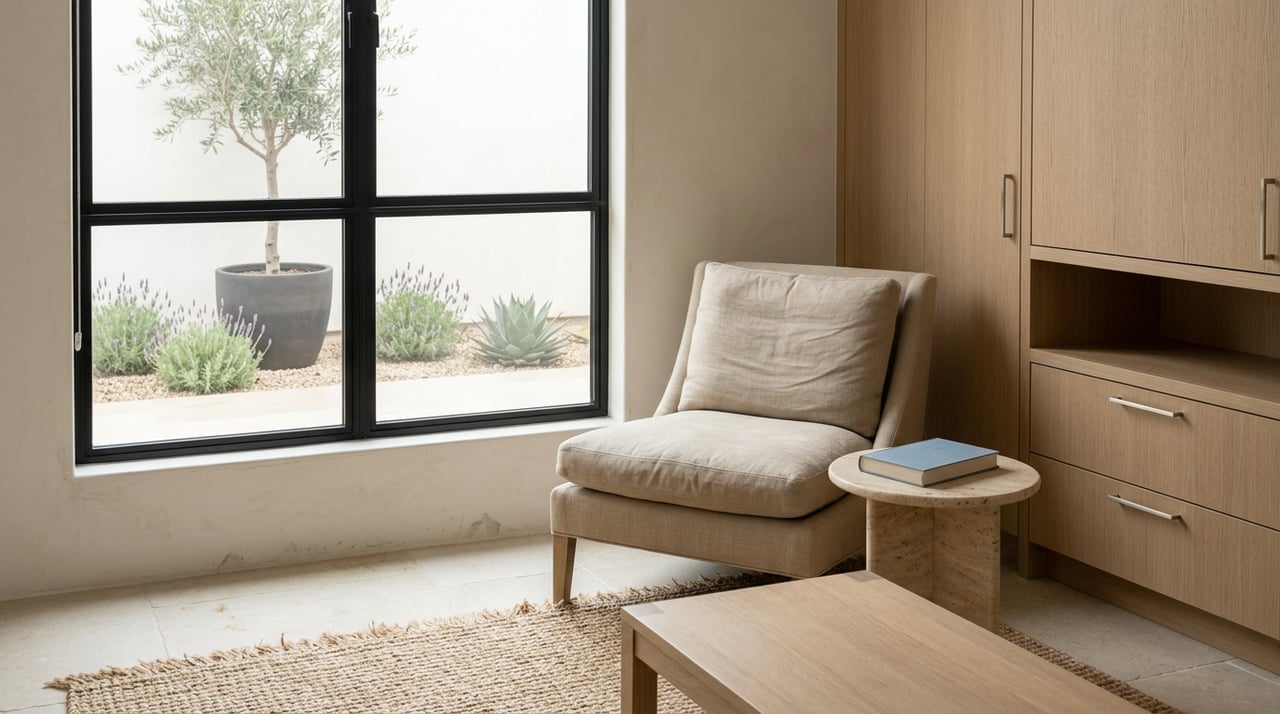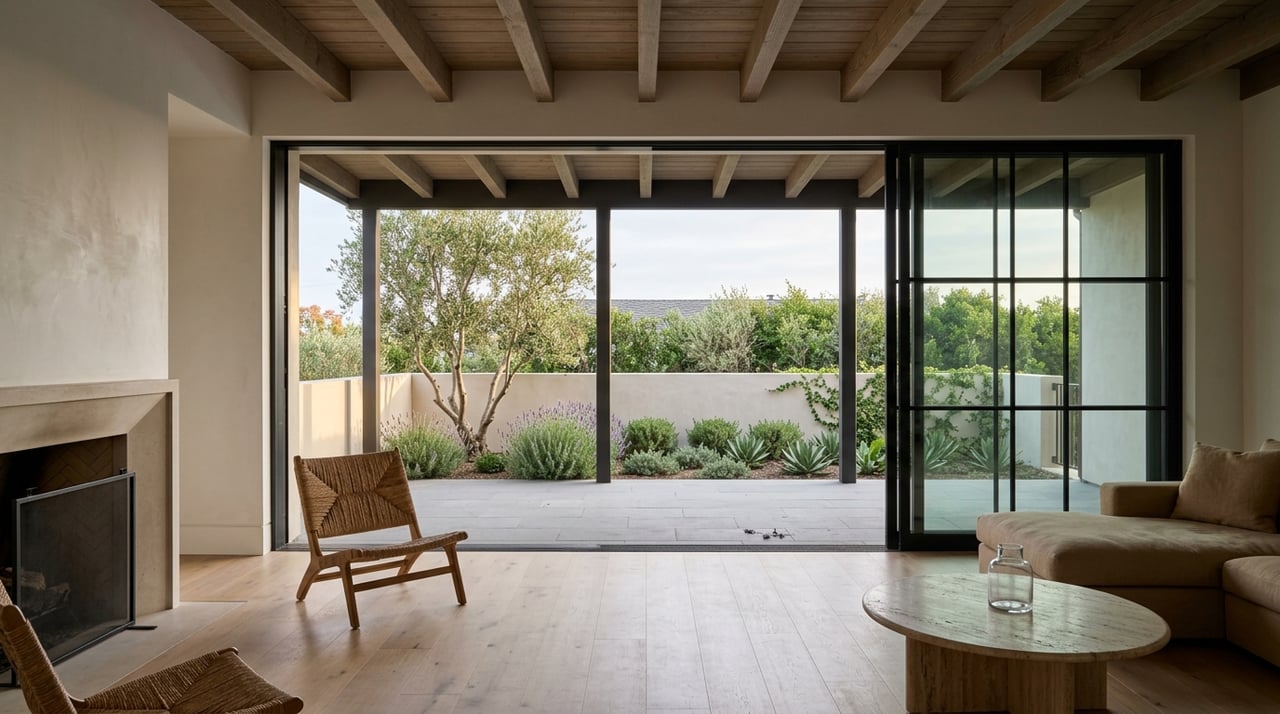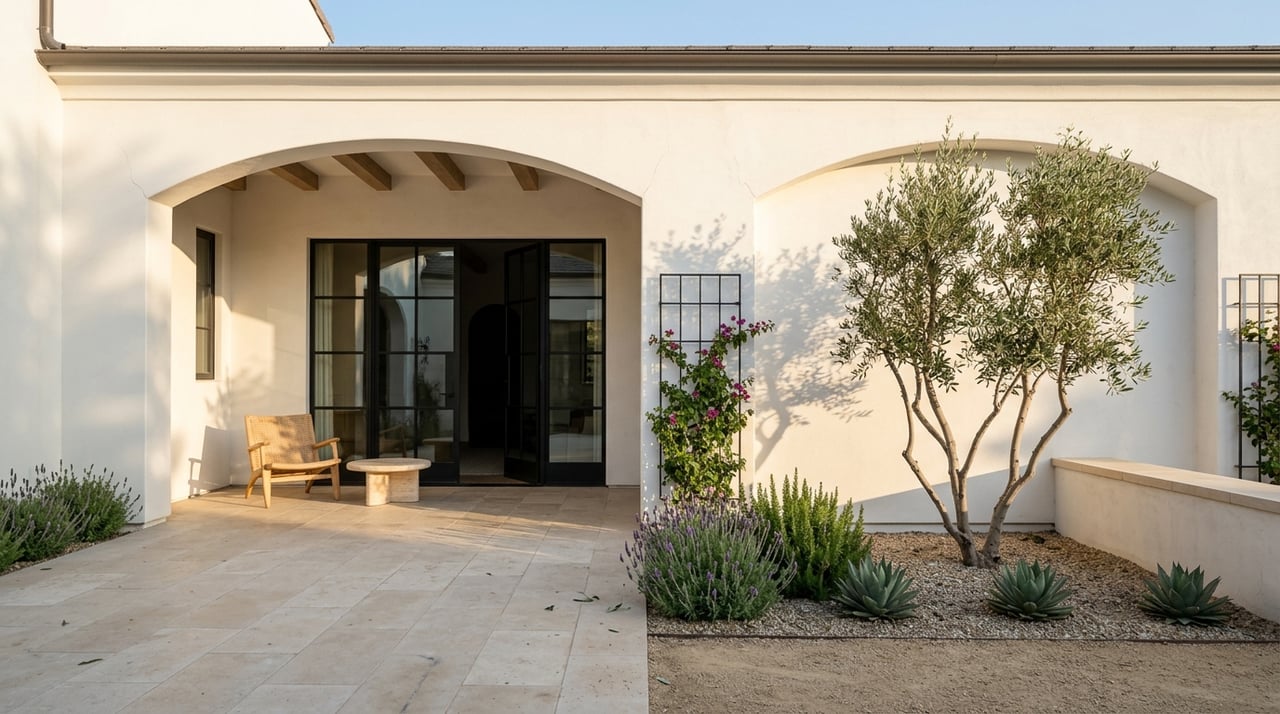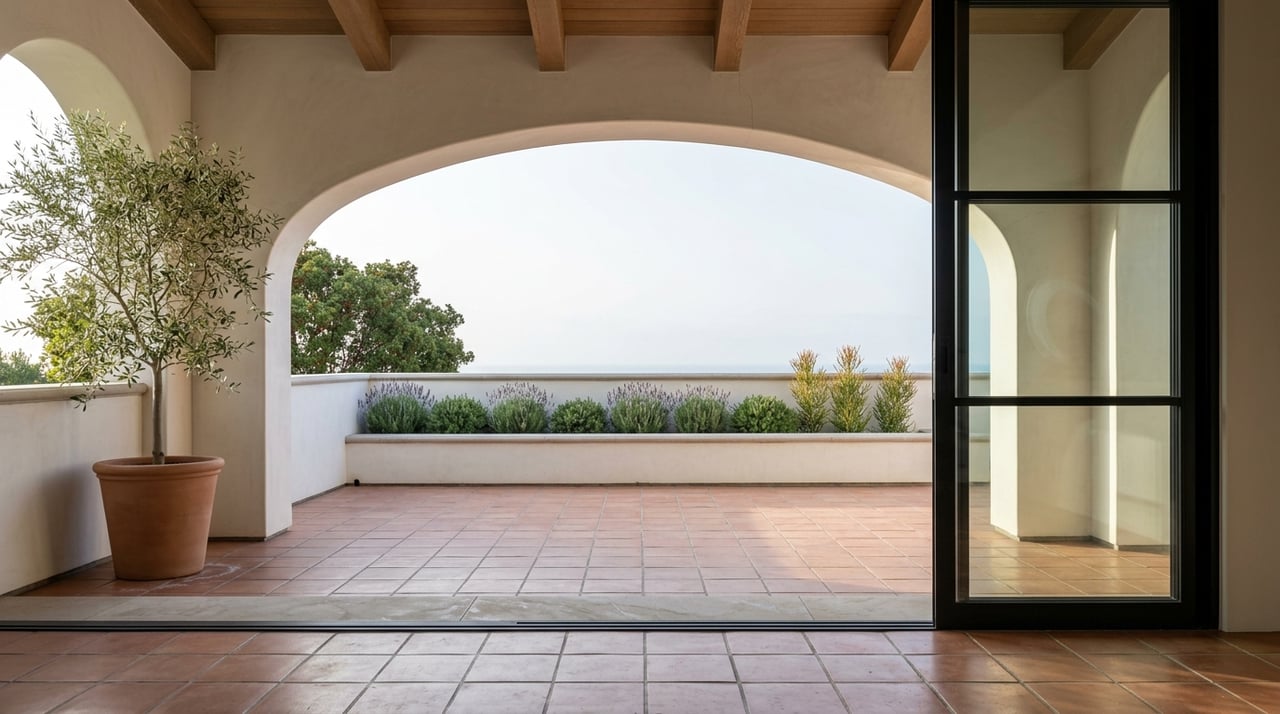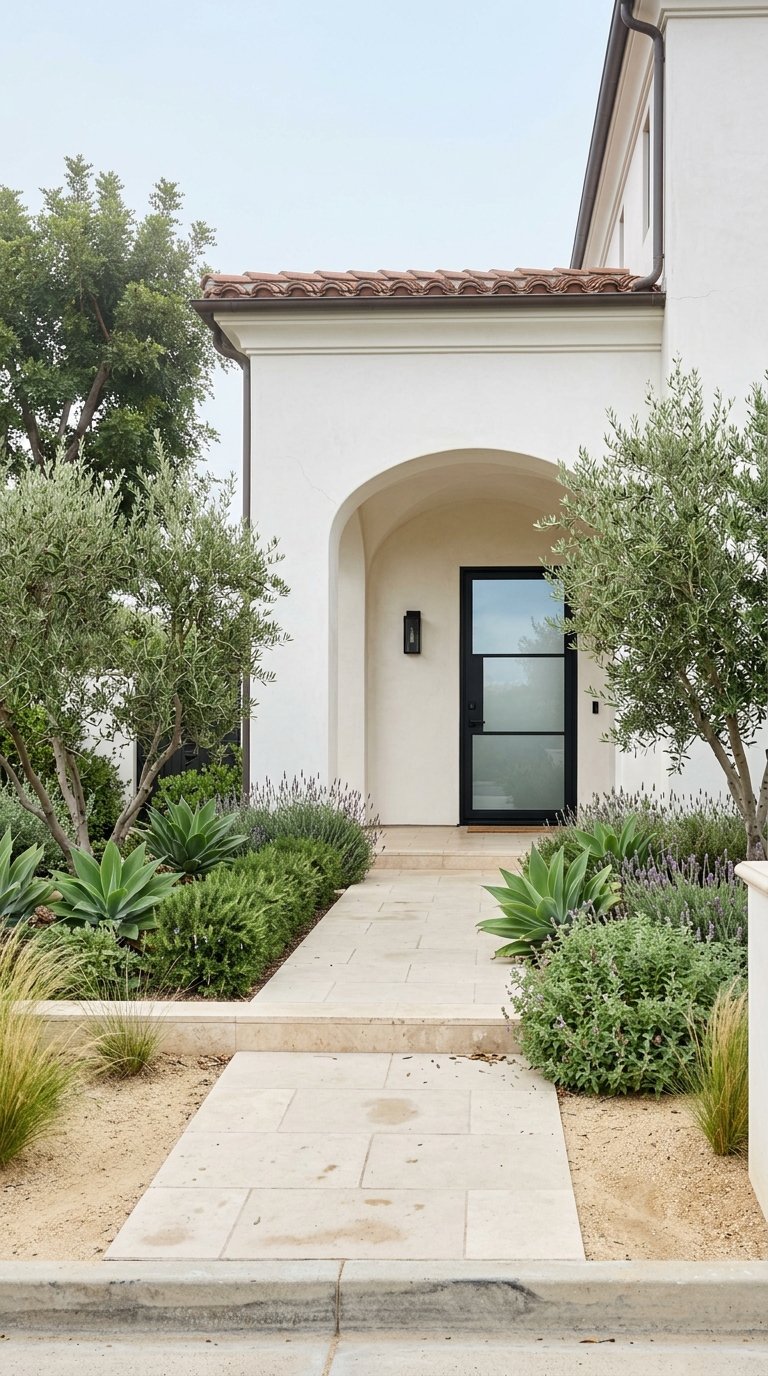
If you are home shopping in Palos Verdes, one of the biggest surprises is how different one street can feel from the next. In 90275, you are not just choosing a house. You are choosing a setting, an access pattern, and often a very specific mix of views, privacy, open space, and rules that shape daily life. This guide will help you understand the main neighborhood types buyers see in Rancho Palos Verdes and nearby peninsula areas so you can compare homes with more clarity. Let’s dive in.
Why neighborhood type matters in Palos Verdes
Palos Verdes is best understood as a group of distinct landscape-based settings, not one uniform suburb. Homes that are only a few minutes apart can feel completely different because of elevation, street layout, nearby open space, and how exposed or tucked away the lot is.
That difference matters even more because the peninsula has no freeways. Daily access depends on arterials and local streets, so a home’s position on that street network can affect your routine almost as much as the home itself.
Bluff-top and ridgeline streets
These are the homes many buyers picture first when they think of Palos Verdes. They tend to sit on higher ground or along visually open streets, often with broad ocean, coastline, or basin views.
The appeal is easy to understand. You are often paying for light, outlook, and a dramatic setting. In parts of the peninsula, that scenic character is closely tied to bluffs, hillsides, breezes, and preserved open space.
For many buyers, the tradeoff is that these locations can be more exposed to wind and more sensitive to design review. If future additions or exterior changes matter to you, it is smart to look closely at what local review standards may apply before you fall in love with the view.
Who this setting fits best
This neighborhood type often works well if your top priorities are:
- Sweeping views
- Strong natural light
- A visually dramatic homesite
- A sense of elevation and openness
It may be less ideal if you want a sheltered yard, maximum privacy from surrounding sightlines, or easy flexibility for future changes.
Tree-lined interior pockets
This is the greener, quieter side of the peninsula. These areas often feature winding residential streets, mature trees, and a more sheltered, park-like feel than exposed bluff or ridgeline locations.
For some buyers, these neighborhoods feel instantly comfortable because the streetscape is softer and the daily environment can feel calmer. You may notice less wind exposure and a stronger sense of enclosure, especially on curving streets and cul-de-sacs.
The tradeoff is usually the view. Instead of wide open coastal outlooks, you may find partial views, filtered views, or no major view at all depending on tree cover and orientation.
What buyers usually like here
Tree-lined interior pockets often appeal if you want:
- A quieter residential feel
- More shelter from coastal exposure
- Mature landscaping and established streets
- A setting that feels cohesive and tucked in
If your goal is day-to-day comfort over dramatic exposure, this category is often worth a close look.
Equestrian and estate-lot pockets
If privacy and land are at the top of your list, this is one of the most distinctive Palos Verdes neighborhood types. Rolling Hills is the clearest example, with an equestrian character, gated entrances staffed around the clock, private roads, and a large bridle trail system. Rolling Hills Estates also stands out for its trail-oriented setting, with 25 miles of scenic bridle trails and 10 miles of bicycle paths maintained by the city.
These areas tend to offer a very different lifestyle from more conventional suburban streets. Buyers are often drawn to larger lots, horse-oriented living, and a stronger sense of separation from through traffic.
The other side of that privacy is more structure. In these settings, association involvement, architectural review, or both may play a bigger role in what you can change over time.
Questions to ask in estate-lot areas
Before you buy, it helps to understand:
- Whether the roads are public or private
- What architectural approvals may apply
- How trail adjacency affects the property
- Whether the lot shape or topography limits future plans
In these neighborhoods, the land itself is often a major part of the value.
Canyon-edge and preserve-adjacent pockets
Rancho Palos Verdes has the peninsula’s strongest concentration of preserve land and trail country. The Palos Verdes Nature Preserve spans about 1,500 acres across 15 reserves, and Portuguese Bend Reserve alone covers 424 acres with rolling hills, steep canyons, rock outcrops, and ocean views.
For buyers who want a more rural or trail-adjacent feel, this category can be especially appealing. You may find homes that feel closer to open land than to a typical neighborhood grid, which creates a very different sense of space.
This is also the area where due diligence matters most. The city states that the Portuguese Bend landslide has moved homes over time, and current trail alerts note closures in multiple areas because of landslide-related activity.
Why due diligence is essential here
In preserve-adjacent areas, buyers should pay close attention to:
- Geologic conditions
- Slope and canyon proximity
- Trail or access changes
- Limits on future construction or expansion
Rancho Palos Verdes also states that new residential construction is permanently prohibited in the landslide area, including additions, while repairs within an existing footprint remain allowed. If you are considering a home in or near these pockets, understanding those limits early can save time and stress.
Coastal amenity-adjacent pockets
Some parts of 90275 are shaped not just by residential streets, but by proximity to coastal recreation and resort-style amenities. Rancho Palos Verdes formally lists Terranea and Trump National Golf Club among its local resorts and clubs, and nearby shoreline areas are also part of the broader coastal experience buyers often seek here.
The advantage is convenience to ocean-edge recreation, destination amenities, and a setting that feels connected to the coast in a very active way. For some buyers, that lifestyle factor is a major part of the draw.
The tradeoff is that these locations may feel more public-facing than a tucked-away interior street. The neighborhood experience can be influenced as much by nearby open space and visitor activity as by the home itself.
How to compare Palos Verdes neighborhoods
Once you narrow your search, it helps to compare each area through a few practical lenses. In Palos Verdes, the biggest differences often come from the land and location, not just the house size.
Compare access first
Because there are no freeways on the peninsula, commute patterns depend heavily on whether a home sits near an arterial, a collector, or a low-volume local street. Arterials identified by Rancho Palos Verdes include Palos Verdes Drive South, Palos Verdes Drive East, Palos Verdes Drive West, Hawthorne Boulevard, Crest Road, Miraleste Drive, Western Avenue, and Crenshaw Boulevard.
Homes near those corridors may offer easier daily in-and-out access. Tucked-away cul-de-sacs and private roads may feel quieter and more private, but the tradeoff can be a longer or less direct routine.
Think beyond square footage
Architecture and homesites vary widely across the peninsula. Some areas emphasize Mediterranean Revival, Spanish-style, or complementary architectural character, while others are guided by low-profile ranch-style standards and formal review for exterior changes.
That means budget differences are often driven by view position, lot size, privacy, and rule intensity more than square footage alone. Two homes with similar interior sizes may have very different value because the land setting is doing very different work.
Factor in review and restrictions
The most scenic parcels often come with the most oversight. In Rancho Palos Verdes, there is a formal view-restoration and preservation code, and in Palos Verdes Estates, neighborhood-compatibility review is used to preserve natural scenic character.
If you care about adding square footage, changing the exterior, or protecting a particular outlook, these rules are not small details. They should be part of your decision from the start.
Weigh environmental risk carefully
Rancho Palos Verdes states that most of the city is designated as a Very High Fire Severity Zone. In some hillside and preserve-adjacent pockets, landslide conditions and trail closures also add another layer of practical planning.
That does not automatically make a home the wrong fit. It does mean you should understand how risk, access, and long-term maintenance could affect your comfort level and future options.
A simple way to narrow your search
If you are feeling torn between very different parts of Palos Verdes, start by ranking what matters most to you. Most buyers are really choosing among four core priorities:
- Views
- Privacy
- Access
- Flexibility for future changes
If views come first, bluff-top and ridgeline streets may rise to the top. If privacy and land matter most, estate-lot and equestrian pockets may be a better match. If you want a quieter daily feel, tree-lined interior pockets can be very appealing. If trail access and open space are the dream, preserve-adjacent areas may deserve a closer look, with careful diligence.
The key is to compare each home in the context of its exact setting. In Palos Verdes, that is often where the real decision gets made.
If you want help sorting through the tradeoffs between views, privacy, access, and long-term livability in Palos Verdes, Patrice Meepos offers calm, strategic guidance tailored to the way you actually want to live.
FAQs
What makes Palos Verdes neighborhoods feel so different from each other?
- Much of the difference comes from elevation, street layout, open-space adjacency, and whether a home sits on an arterial, local street, bluff, canyon edge, or interior pocket.
Which Palos Verdes areas usually feel most secluded?
- Equestrian and estate-lot pockets, along with some tucked-away cul-de-sacs and private-road settings, usually offer the strongest sense of privacy and separation from daily traffic.
Which Palos Verdes areas usually feel easiest for daily access?
- Homes closer to major arterial routes such as Hawthorne Boulevard, Palos Verdes Drive corridors, Crest Road, Miraleste Drive, Western Avenue, and Crenshaw Boulevard often feel easier for regular in-and-out access.
Which Palos Verdes neighborhood types are best for trail and open-space access?
- Canyon-edge and preserve-adjacent pockets in Rancho Palos Verdes are the main areas buyers look at for direct access to trails, reserve land, and a more rural feel.
What should Palos Verdes buyers know about view homes and future changes?
- Scenic homes may also involve more review, including view-related or neighborhood-compatibility standards, so it is important to understand potential limits on additions or exterior changes before you buy.
Which Palos Verdes areas require the most careful due diligence?
- Preserve-adjacent and landslide-sensitive parts of Rancho Palos Verdes usually call for the closest attention to geology, access changes, fire severity conditions, and limits on future construction.